love in action, second edition - writings on nonviolent social change

love in action, second edition - writings on nonviolent social change

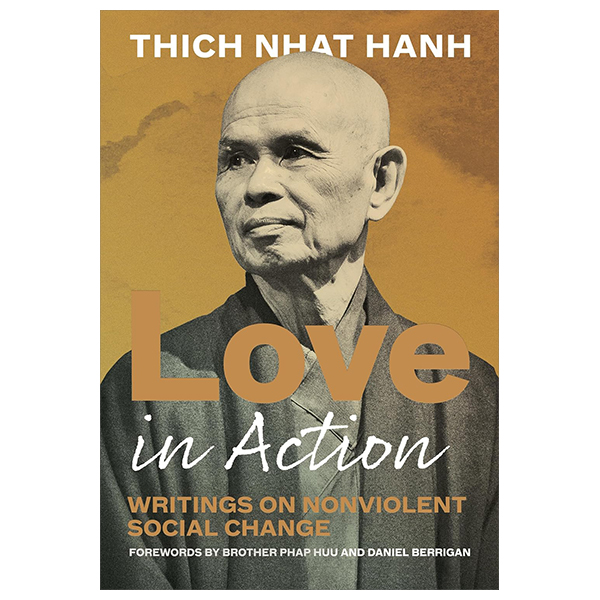
Love In Action, Second Edition - Writings On Nonviolent Social Change

Be inspired by 21 key writings on nonviolence and reconciliation by Vietnamese peace activist and refugee advocate Zen master Thich Nhat Hanh

"The essence of nonviolence is love," Thich Nhat Hanh says. "Out of love and the willingness to act selflessly, strategies, tactics, and techniques for a nonviolent struggle arise naturally." Collecting essays written by Thich Nhat Hanh at crucial moments of social transformation, Love in Action is an important resource for anyone engaged in social work, community organizing, political action, and cause-oriented movements.

Reflecting on the devastation of war, Thich Nhat Hanh makes the strong argument that ethics and altruistic love based on mindfulness and insight are the only truly sustainable bases for political action. Having played a central role in the Buddhist nonviolent movement for peace in Vietnam during the 1960s and serving as Chair of the Buddhist Peace delegation to the Paris Peace Accords in 1973, Thich Nhat Hanh speaks with the voice of experience: "There is no way to peace. Peace is the way."

Together with essays on the connections between outer engagement and the inner work for peace, this anthology also features poetry and the script of the hauntingly beautiful 1972 play, The Path of Return Continues the Journey. The play's characters are drawn from the author's own life, the young men and women of his School of Youth for Social Service--many of whom were killed for their social actions. "At 12:30 a.m. on July 5, 1967, in the village of Binh Phuoc, Gia Dinh Province, a group of strangers abducted five young men, brought them to the bank of the Saigon River, and shot them," reports Thich Nhat Hanh. "All five were volunteer workers in the School of Youth for Social Service, a nonviolent organization that sought only to heal the wounds of war and reconstruct the villages." An elegy and a prayer for peace, the script shows a less-known side of the young Thich Nhat Hanh: grieving, profoundly in touch with his sorrow and pain, and channeling his anguish into art, inspired by love.

fragrant palm leaves: journals 1962-1966 (thich nhat hanh classics)

fragrant palm leaves: journals 1962-1966 (thich nhat hanh classics)

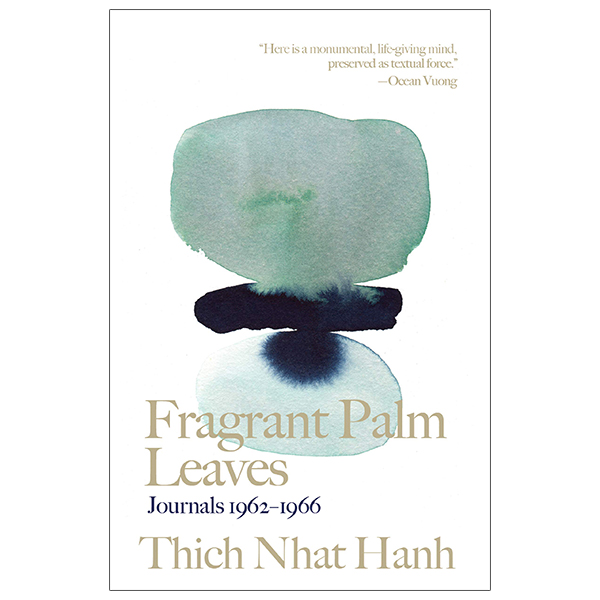
Fragrant Palm Leaves: Journals 1962-1966 (Thich Nhat Hanh Classics)

"These remain [Thich Nhat Hanh's] most intimate writings—a rare record of his unselfing, which made him himself: the monk who brought mindfulness to the world."—The Marginalian

Regarded by many as Thich Nhat Hanh's most personally revealing and endearing book, these collected journals chronicle the first-hand experiences of the Zen Master as a young man in both the United States and Vietnam, just as his home country is plunged into war and turmoil.

"It isn't likely that this collection of journal entries, which I'm calling Fragrant Palm Leaves, will pass the censors... I'll leave Vietnam tomorrow." Thus Thich Nhat Hanh begins his May 11, 1966 journal entry. After leaving Vietnam, he was exiled for calling for peace, and was unable to visit his homeland again until 2004. In the interim, Thich Nhat Hanh continued to practice and teach in the United States and Europe, and became one of the world's most respected spiritual leaders.

But when these journals are written, all of that is still to come. Fragrant Palm Leaves reveals a vulnerable and questioning young man, a student and teaching assistant at Princeton and Columbia Universities from 1962-1963, homesick and reflecting on the many difficulties he and his fellow monks faced at home trying to make Buddhism relevant to the people's needs. We also follow Thich Nhat Hanh as he returns to Vietnam in 1964, and helps establish the movement known as Engaged Buddhism.

A rare window into the early life of a spiritual icon, Fragrant Palm Leaves provides a model of how to live fully, with awareness, during a time of change and upheaval.
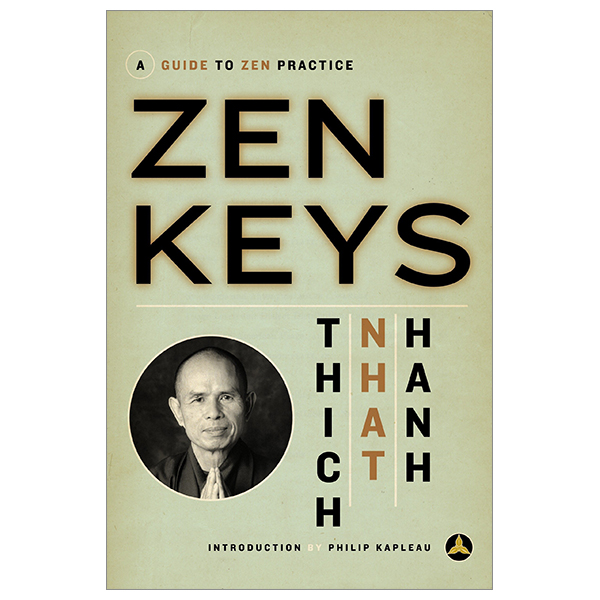
zen keys: a guide to zen practice

zen keys: a guide to zen practice

Zen Keys: A Guide To Zen Practice

Thich Nhat Hanh brings his warmth and clarity to this unique explication of Zen Buddhism. Beginning with a discussion of daily life in a Zen monastery, Nhat Hanh illustrates the character of Zen as practiced in Vietnam, and gives the reader clear explanations of the central elements of Zen practice and philosophy.

Thorough attention is given to concepts such as Awareness and Impermanence, and to contemporary issues such as the conflicts between modern technology and spirituality. The final section includes a set of 43 koans from the 13th century Vietnamese master, Tran Thai Tong, which are translated here for the first time into English.
Originally published in 1974, Zen Keys has been unavailable for several years but is now reissued by popular demand. Readers will find it as fresh today as when it was first written, and will be struck by the timelessness of its insights. What makes this work particularly compelling is that Nhat Hanh is able to invigorate what in other presentations may seem like empty abstract principles. The example he has set in his own life as a relentless advocate for peace brings strength and a realistic understanding to idealistic Buddhist goals.
In Zen Keys, Thich Nhat Hanh presents the philosophy which has enabled him to be mindful of peace in every moment. An excellent introduction from Philip Kapleau (author of the classic Three Pillars Of Zen ) provides background on the emerging American Zen tradition.

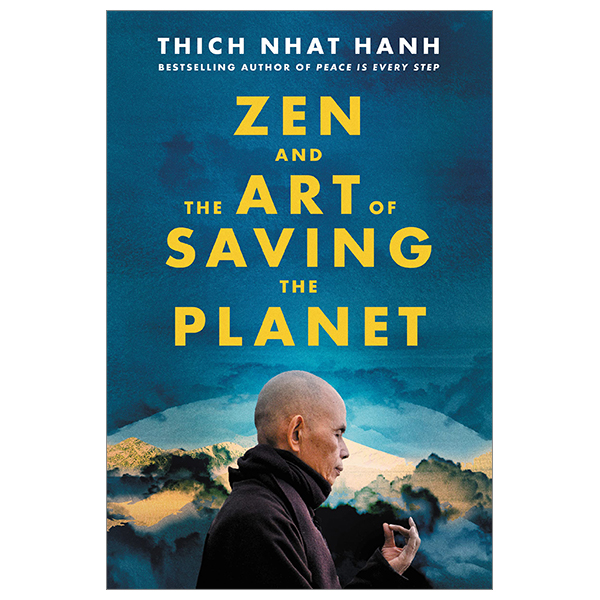
zen and the art of saving the planet

zen and the art of saving the planet

Zen And The Art Of Saving The Planet

NATIONAL BESTSELLER

“When you wake up and you see that the Earth is not just the environment, the Earth is us, you touch the nature of interbeing. And at that moment you can have real communication with the Earth… We have to wake up together. And if we wake up together, then we have a chance. Our way of living our life and planning our future has led us into this situation. And now we need to look deeply to find a way out, not only as individuals, but as a collective, a species.”

-- Thich Nhat Hanh

We face a potent intersection of crises: ecological destruction, rising inequality, racial injustice, and the lasting impacts of a devastating pandemic. The situation is beyond urgent. To face these challenges, we need to find ways to strengthen our clarity, compassion, and courage to act.

Beloved Zen Master Thich Nhat Hanh is blazingly clear: there’s one thing we all have the power to change, which can make all the difference, and that is our mind. Our way of looking, seeing, and thinking determines every choice we make, the everyday actions we take or avoid, how we relate to those we love or oppose, and how we react in a crisis.

Mindfulness and the radical insights of Zen meditation can give us the strength and clarity we need to help create a regenerative world in which all life is respected. Filled with Thich Nhat Hanh’s inspiring meditations, Zen stories and experiences from his own activism, as well as commentary from Sister True Dedication, one of his students Zen and the Art of Saving the Planet shows us a new way of seeing and living that can bring healing and harmony to ourselves, our relationships, and the Earth.

how to love (mindfulness essentials)

how to love (mindfulness essentials)

How To Love (Mindfulness Essentials)

The most popular book in the "How To" series: advice, practices, and food for thought from a Zen Master on our most universal emotion.

The third book in the bestselling Mindfulness Essentials series, a back-to-basics collection from world-renowned Zen Master Thich Nhat Hanh that introduces everyone to the essentials of mindfulness practice.

Nhat Hanh brings his signature clarity, compassion, and humor to the thorny question of how to love. He distills one of our strongest emotions down to four essentials: you can only love another when you feel true love for yourself; love is understanding; understanding brings compassion; deep listening and loving speech are key ways of showing our love.

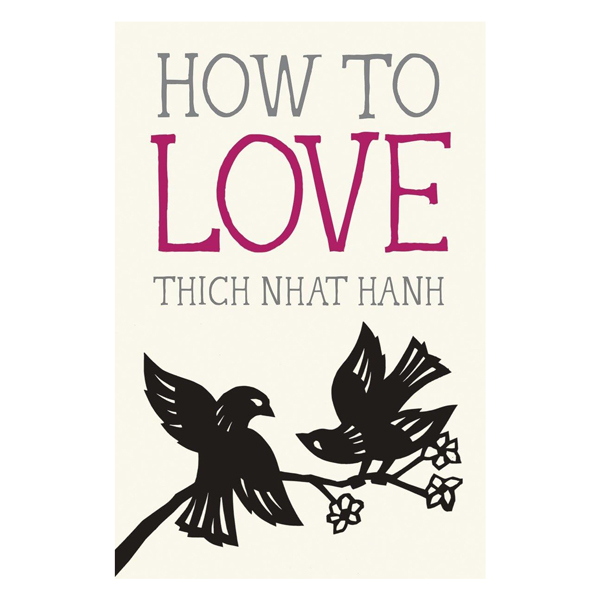
Pocket-sized, with original two color illustrations by Jason DeAntonis, How to Love shows that when we feel closer to our loved ones, we are also more connected to the world as a whole. With sections on Love vs. Need, Being in Love, Reverence, Intimacy, Children and Family, Reconciling with Parents, and more, How to Love includes meditations you can do alone or with your partner to go deep inside and expand your own capacity to love.

Scientific studies indicate that meditation contributes tremendously to well-being, general health, and longevity. How to Love is a unique gift for those who want a comprehensive yet simple guide to understanding the many different kinds of love, along with meditative practices that can expand the understanding of and capacity for love, appropriate for those practicing in any spiritual tradition, whether seasoned practitioners or new to meditation.

happiness - essential mindfulness practices

happiness - essential mindfulness practices

Happiness - Essential Mindfulness Practices

Thich Nhat Hanh's central teaching is that, through mindfulness, we can learn to live in the present moment instead of in the past and in the future. It's only way to truly develop peace, both in one's self and in the world. Now, for the first time, all Thich Nhat Hanh's key practices are collected in one accessible and easy-to-use volume.

Happiness is structured to introduce those new to Buddhist teachings as well as for more experienced practitioners, serving as a quintessential resource of mindfulness practices. Integrating these practices into daily life allows the reader to begin to cultivate peace and joy within him/herself, leading to solidity and freedom from fear, misunderstanding, and suffering.

With the practices offered in Happiness, Thich Nhat Hanh encourages the reader to learn to do all the things they do in daily life with mindfulness; to walk, sit, work, eat, and drive, with full awareness of what they are doing. It can bring about a shift towards one of the principles of engaged Buddhism, a shift towards practicing mindfulness in every moment of the day and not just while 'formally' meditating.

Thich Nhat Hanh encourages his readers to "try to be intelligent and skillful in their practice, approaching every aspect of the practice with curiosity and a sense of search. It's important to practice with understanding and not just for the form and appearance. Enjoy your practice with a relaxed and gentle attitude, with an open mind and receptive heart."

peaceful action, open heart: lessons from the lotus sutra

peaceful action, open heart: lessons from the lotus sutra

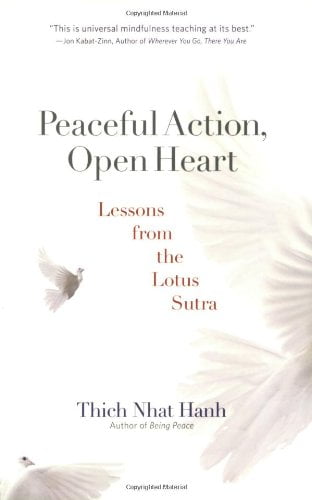
Peaceful Action, Open Heart shines 60 years of study and practice upon one of the crowning scriptures of the path of the Buddha, and is destined to be known as one of the most significant writings by Thich Nhat Hanh.
The Lotus Sutra is one of the most revered of Mahayana sacred texts and is sometimes called "the king of sutras." Despite this fact, there are very few commentaries in English available today. Thich Nhat Hanh explores the Sutra’s main theme-- that everyone has the capacity to become a Buddha, and that Buddha-nature is inherent in everything--but he also uniquely emphasizes the sutra’s insight that Buddha-nature is the basis for peaceful action. Since we all will one day become a Buddha, he says, we can use mindfulness practices right now to understand and find solutions to current world challenges. In his interpretation of the sutra, he suggests that if the practices, views, and insights of the Lotus Sutra would find application not only by individuals but also by nations, it would offer concrete solutions to transform individual suffering and the global challenges facing the world today.
Stamped with his signature depth of vision, lucidity, and clarity, Thich Nhat Hanh’s insights based on the wisdom of the Lotus Sutra invoke a wide range of contemporary topics and concerns, such as the Palestinian-Israeli war, the threat of terrorism, and the degradation of our environment. In proposing radical new ways of finding peaceful solutions to universal, contemporary conflicts, he not only challenges the U.N to change from an organization to a real organism working for peace and harmony in the world, but also encourages all branches of all governments to act as Sangha. In so doing, he demonstrates the practical and direct applicability of this sacred text to today's concerns.
This book has been re-released with a new title, Peaceful Action, Open Heart. The earlier hardcover edition was entitled Opening the Heart of the Cosmos.

peace is every step

peace is every step

In the rush of modern life, we tend to lose touch with the peace that is available in each moment. World-renowned Zen master, spiritual leader, and author Thich Nhat Hanh shows us how to make positive use of the very situations that usually pressure and antagonize us. For him a ringing telephone can be a signal to call us back to our true selves. Dirty dishes, red lights, and traffic jams are spiritual friends on the path to "mindfulness" -- the process of keeping our consciousness alive to our present experience and reality. The most profound satisfactions, the deepest feelings of joy and completeness lie as close at hand as our next aware breath and the smile we can form right now. Lucidly and beautifully written, "Peace Is Every Step" contains commentaries and meditations, personal anecdotes and stories from Nhat Hanh's experiences as a peace activist, teacher, and community leader. It begins where the reader already is -- in the kitchen, office, driving a car, walking a part -- and shows how deep meditative presence is available now. Nhat Hanh provides exercises to increase our awareness of our own body and mind through conscious breathing, which can bring immediate joy and peace. Nhat Hanh also shows how to be aware of relationships with others and of the world around us, its beauty and also its pollution and injustices. the deceptively simple practices of "Peace Is Every Step" encourage the reader to work for peace in the world as he or she continues to work on sustaining inner peace by turning the "mindless" into the mindFUL. "This book of illuminating reminders bid us to reorient the way we look at the world...toward a humanitarian perspective." -- "Publisher Weekly"

trái tim của bụt (tái bản 2023)

trái tim của bụt (tái bản 2023)

Trái Tim Của Bụt

Trái tim của Bụt là những ghi chép tổng hợp những bài giảng của Thiền sư Thích Nhất Hạnh trong Khóa học Phật Pháp Căn Bản tại Làng Mai, Loubes-Bernac, Pháp.

Những bài học đầu tiên khái quát lịch sử Phật Giáo từ sau khi Đức Phật nhập Niết Bàn cho tới nay, với một khoảng thời gian khá dài như vậy mà trước đây kinh điển chỉ được truyền tụng bằng miệng và hơn 400 năm sau khi Bụt nhập diệt, kinh điển mới được chép thành văn, vì vậy sẽ có những điều sai lầm do nhiều thế hệ Phật tử đã nhớ sai, hiểu sai ý của Bụt.

Chính vì điều đó nên Sư ông Làng Mai đã căn dặn chúng ta cần phải học kinh điển một cách khôn ngoan, đừng bị kẹt trong những câu chữ từ kinh điển.

Phần trọng tâm nhất của cuốn sách bàn về gốc rễ của đạo Phật xoay quanh Nhị Đế – Tứ Diệu Đế – Bát chánh đạo – Duyên khởi. Thế nào là khổ, tập, diệt, đạo và ta áp dụng và nhân ra các giáo lý đó trong cuộc sống hiện tại. Chánh kiến, chánh niệm, chánh ngữ, chánh tinh tấn.. là gì? Chúng liên quan gì đến nhau và ảnh hưởng thế nào trong cuộc sống của chính mình.

Có một ý rất hay về khổ, tập, diệt, đạo như sau: “Những lúc đau răng thì khổ và ta nghĩ không đau răng là sướng. Nhưng đến khi không đau răng ta vẫn không biết sung sướng. Con người thường sống trong quên lãng như vậy. Sống trong hạnh phúc thì không nhìn thấy hạnh phúc, và sống trong khổ đau cũng không biết đó là khổ đau. Không nhận diện được đau khổ nên ta gánh cái khổ đó suốt đời.”

Qua những bài học được ghi chép lại, Thầy Thích Nhất Hạnh còn giảng dạy về cách để chúng ta tiếp nhận kiến thức mà không bị lầm đường lạc lối theo phương pháp văn – tư – tu. Văn là tiếp nạp những kiến thức mới, Tư là tư duy, nghiền ngẫm về những kiến thức đã được học và cuối cùng là Tu, tức đem những kiến thức đã học để áp dụng vào thực tế.

Học Phật không phải để tích lũy kiến thức và thấy nặng nề mà học để có thể hiểu được những cái sai lầm, để buông bỏ và thấy lòng nhẹ nhàng hơn khi học Phật Pháp, chúng ta phải làm cách nào để giáo lý của Bụt giúp cho tâm tư ta nhẹ nhàng hơn, chứ không phải làm cho ta nặng nề thêm.

Cuốn sách gồm 24 bài học, truyền tải một khối lượng lớn kiến thức nhưng bằng cách diễn đạt mạch lạc, logic và những ví dụ minh họa lồng ghép đời thực khiến chúng ta dễ dàng hiểu và tiếp thu.

Mục lục:

PHẬT PHÁP CĂN BẢN - BÀI THỨ NHẤT

Phải học kinh điển một cách khôn ngoan

Hai cách nhìn sự thật: sự phân biệt tục đế và chân đế

Tứ tất đàn: bốn tiêu chuẩn về sự thật

Bốn điều y cứ

Cây đuốc duyên khởi

Thiền hành

Nhận diện

Tiếp xúc

PHẬT PHÁP CĂN BẢN - BÀI THỨ HAI

Học phật phải thấy lòng nhẹ nhàng

Không cần chất chứa kiến thức

Khế lý cũng là khế cơ

Duyên khởi

Tương tức và tương nhập

PHẬT PHÁP CĂN BẢN - BÀI THỨ BA

Pháp thoại đầu

Bốn sự thật

Bốn sự thật tương tức

Trung đạo

Tính cách nền tảng

Tính cách nhập thế

Nghệ thuật nghe pháp thoại

Khổ và lạc

Tam chuyển

Tứ diệu đế là phép thực tập

Nhị đế

Tịch diệt

PHẬT PHÁP CĂN BẢN - BÀI THỨ TƯ

Niềm vui tương đối

Khổ thọ

Năm thủ uẩn

Hành trì thị chuyển

Rác và hoa

Niềm vui xuất thế

phật pháp căn bản - bài thứ năm

Chánh kiến

Chánh kiến về tứ diệu đế

Hạ thủ công phu

PHẬT PHÁP CĂN BẢN - BÀI THỨ SÁU

Quá trình văn tư tu

Đạo vượt trên ngôn ngữ

Kinh chánh kiến

Bốn loại thức ăn

Tưới tẩm hạt giống chánh kiến

PHẬT PHÁP CĂN BẢN - BÀI THỨ BẢY

Bát chánh đạo tương sinh tương tức

Chánh tư duy về vô thường, vô ngã

Tư duy ở trình độ xuất thế gian

PHẬT PHÁP CĂN BẢN - BÀI THỨ TÁM

Ái ngữ

Hạt giống của chánh ngữ

Bài thực tập chánh ngữ

Hạnh lắng nghe

PHẬT PHÁP CĂN BẢN - BÀI THỨ CHÍN

Chánh niệm và 51 tâm hành

Thực tập chánh niệm và chánh ngữ

Phép tu im lặng

Chánh niệm làm cơ bản

Như lý tác ý

PHẬT PHÁP CĂN BẢN - BÀI THỨ MƯỜI

Sống giây phút hiện tại

Chánh niệm làm sự sống có mặt

Chánh niệm là nuôi dưỡng

Chánh niệm làm vơi đau khổ

Chánh niệm để nhìn sâu và thấy rõ

PHẬT PHÁP CĂN BẢN - BÀI THỨ MƯỜI MỘT

Chánh niệm là tự làm chủ

Nhận diện đơn thuần

Chánh niệm là trở về

Kinh người biết sống một mình

Quán niệm thân trong thân

Rửa chén hay chép kinh trong chánh niệm

Hiện pháp lạc trú

Đâu chẳng phải là nhà

PHẬT PHÁP CĂN BẢN - BÀI THỨ MƯỜI HAI

Tiếp xúc với sự sống nhiệm mầu

Chuyển hóa xả thọ thành lạc thọ

Chánh niệm nuôi dưỡng các phần khác của thánh đạo

Năm giới

PHẬT PHÁP CĂN BẢN - BÀI THỨ MƯỜI BA

Như lý tác ý

Một bài thực tập quán hơi thở

Bài thực tập tiếp tục với hơi thở chánh niệm

Tịnh độ là ở đây

Học đời sống của bụt

Hạnh phúc ở trong ta

PHẬT PHÁP CĂN BẢN - BÀI THỨ MƯỜI BỐN

Quán chiếu cảm thọ

Nhận diện các tâm hành

Quán chiếu về tưởng để vượt thoát mê lầm

Niềm tin phải vững mạnh

PHẬT PHÁP CĂN BẢN - BÀI THỨ MƯỜI LĂM

Quán pháp trong pháp

Chánh tinh tấn

PHẬT PHÁP CĂN BẢN - BÀI THỨ MƯỜI SÁU

Tứ diệu đế và bát chánh đạo

Chánh định

Thảnh thơi

Bụt đang có mặt

Chánh định

PHẬT PHÁP CĂN BẢN - BÀI THỨ MƯỜI BẢY

Tam pháp ấn

Vô thường là vô ngã

Không, giả và trung

Niết bàn và vô tác

Tám chữ tháo tung

PHẬT PHÁP CĂN BẢN - BÀI THỨ MƯỜI TÁM

Ta đang làm gì đây?

Chuyển hóa tập khí

Thực tập năm cái lạy

PHẬT PHÁP CĂN BẢN - BÀI THỨ MƯỜI CHÍN

Tam-ma-địa và tam-ma-bạt-đề

Không giải thoát môn

Quán không trong năm lạy

Quán không trong khi ăn

Quán vô tướng

Áp dụng quán vô tướng trong cuộc sống

PHẬT PHÁP CĂN BẢN - BÀI THỨ HAI MƯƠI

Quán không, quán vô tướng

Quán vô tác vô nguyện

Áp dụng ba cửa giải thoát

Các cách trình bày khác về pháp ấn

PHẬT PHÁP CĂN BẢN - BÀI THỨ HAI MƯƠI MỐT

Bốn duyên và sáu nhân

Mười hai nhân duyên

Liên hệ giữa 12 nhân duyên

Mặt tích cực của mười hai nhân duyên

Thân thị hiện

Phật pháp căn bản - bài thứ hai mươi hai

Hộ trì sáu căn bằng chánh niệm

Tứ vô lượng tâm

PHẬT PHÁP CĂN BẢN - BÀI THỨ HAI MƯƠI BA

Tu tập từ quán

Quán chiếu để tự chuyển hóa

từ bi là hành động

Tứ vô lượng tâm và thiền quán

Phật pháp căn bản - bài thứ hai mươi tư

Niềm tin thể hiện trong đời sống

Tăng thân và pháp thân

Tam bảo là đối tượng tu học

Phật bảo

Pháp bảo

Tăng bảo

Tu tập trong tích môn thấy được bản môn

PHẬT PHÁP CĂN BẢN - BÀI THỨ HAI MƯƠI LĂM

Phụ lục - giới bản năm giới tân tu

Tải Sách là website thư viên sách chia sẻ tài liệu sách với nhiều định dạng pdf/epub/mobi/prc/azw3 được tổng hợp mới nhất. Bạn có thể đọc online hoặc download về các thiết bị di động, máy tính, máy đọc sách để trải nghiệm.

Liên Hệ